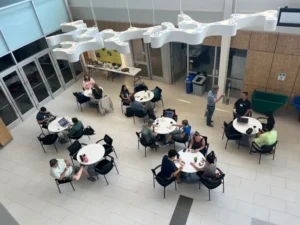
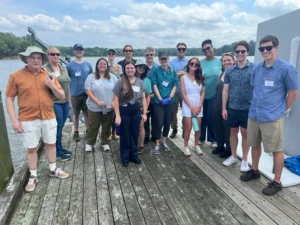
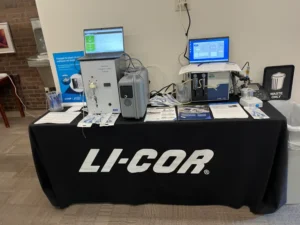
The 2025 Mid-Atlantic Coastal Acidification Network (MACAN) Workshop brought together researchers, resource managers, and technical experts for a three-day event focused on advancing regional collaboration, enhancing coastal monitoring efforts, and building readiness for ocean alkalinity enhancement. Led by MARACOOS and the Mid-Atlantic Regional Council on the Ocean (MARCO), hosted at the Smithsonian Environmental Research Center (SERC), sponsored by the NOAA Ocean Acidification Program and with strong partner support by LI-COR and Pro-Oceanus, the workshop served to establish shared standards, fill spatial and temporal data gaps, and strengthen technical capacity.
“We benefited greatly from being at the MACAN workshop. We’ve met so many researchers with fantastic ideas and learned so much about the data science needs in OA research.”
“I am reflecting on how I took so, so, so much away from the MACAN meeting in terms of knowledge, professional connections, and ideas for future research & collaborations. I am not trained as a carbonate marine chemist but have transitioned my research in that direction in the last couple of years, and the MACAN training & conference were immensely helpful.”
“Thanks for all your work to make everything run smoothly. It was a great meeting. Very informative and useful!”
Highlights from the Workshop:
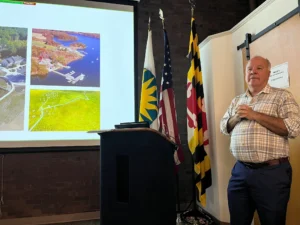
- State-of-the-Science Sessions explored biological impacts of changing ocean chemistry and multi-stressors, risk assessment and vulnerability, monitoring priorities, and emerging nature-based solutions. Presentations showcased current research on species sensitivity, multi-stressor interactions, and how these inform management strategies and risk tools.
- Monitoring and Data Integration sessions emphasized regional priorities, QA/QC initiatives, and integration of satellite and in situ data. Case studies highlighted successful programs from NECAN, NERRs, and Barnegat Bay.
- Nature-Based Solutions discussions featured innovations in blue carbon, permitting frameworks for enhanced weathering and alkalinity enhancement, and modeling studies assessing carbon removal efficacy.
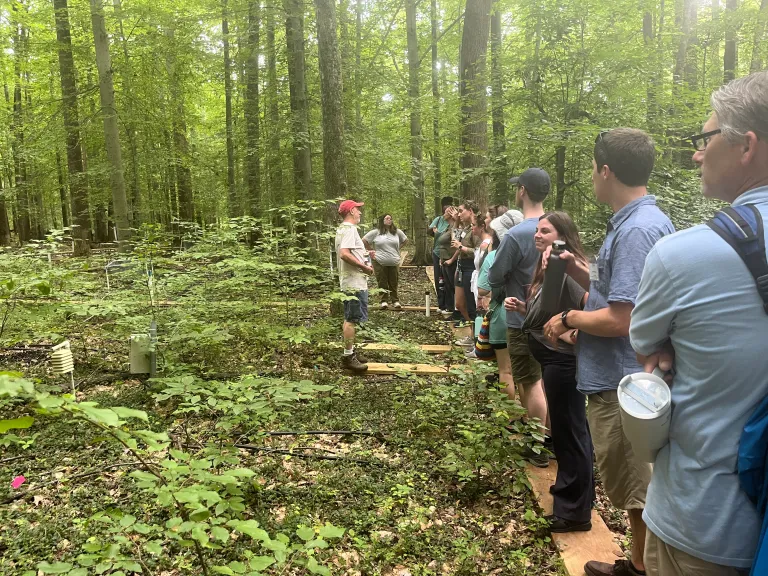
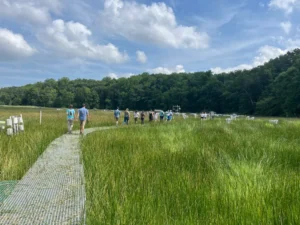
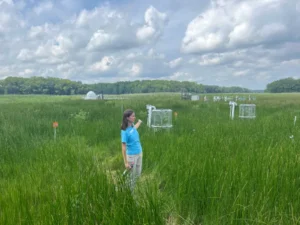
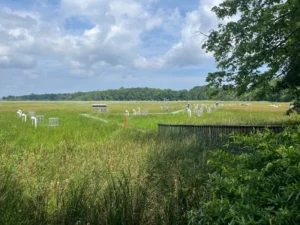
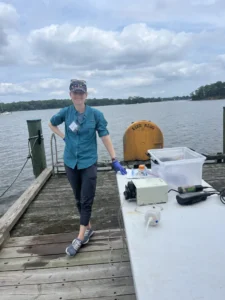
- Hands-on Training included field sampling and lab analysis demonstrations at SERC’s Global Change Research Wetland, offering attendees practical experience with carbonate chemistry instrumentation and protocols, including pH, pCO₂, DIC, and TA measurements.
- Student Lightning Talks added valuable early-career perspectives and emerging research, while targeted breakout sessions fostered deeper engagement on data needs and monitoring coordination.
Learn more about MACAN by visiting their website, midacan.org. Explore photos of the workshop below:
Related Posts
Share this post

